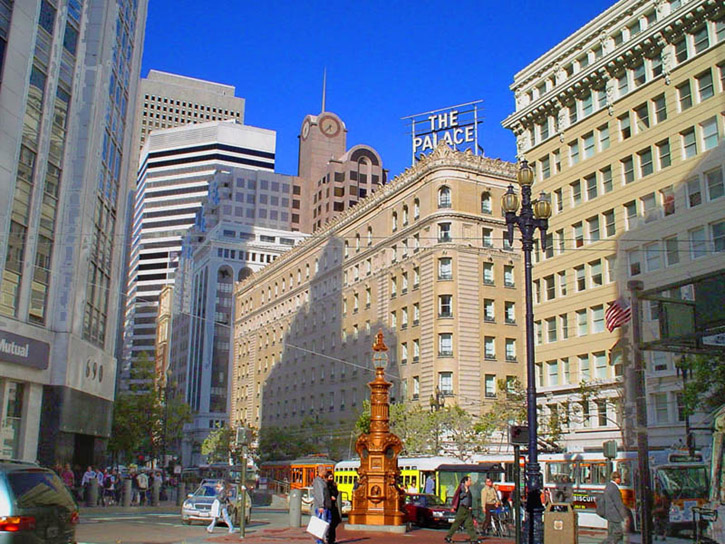
Palace Hotel San Francisco: Iconic Garden Court & Historic Opulence
In the vibrant heart of downtown San Francisco stands a testament to Gilded Age extravagance and enduring resilience: the Palace Hotel San Francisco. More than just a luxury accommodation, this historic landmark has witnessed over a century of the city's triumphs and tribulations, consistently reinventing itself while preserving the grandeur that defines it. From its original inception as the most opulent hotel west of the Mississippi to its modern incarnation as a Marriott Luxury Collection property, the Palace continues to captivate guests with its rich history, exquisite architecture, and the legendary Garden Court.
A Legacy Forged in Gold: The Birth of a San Francisco Icon
The vision for the Palace Hotel emerged from the ambitious mind of William Chapman Ralston, a prominent San Francisco banker and co-founder of the Bank of California. In the early 1870s, as the city boomed with post-Gold Rush prosperity, Ralston dreamed of creating a hotel that would not only rival but surpass the grand establishments of Eastern metropolises and Europe. His aim was clear: to symbolize San Francisco's burgeoning wealth and elevate its international stature.
Opened with much fanfare on October 2, 1875, the original Palace Hotel was an architectural marvel. Spanning an entire city block bordered by Market, New Montgomery, Jessie, and Annie streets, it truly was the largest and most luxurious hotel west of the Mississippi River. Designed by New York architect John P. Gaynor, whom Ralston dispatched to study leading hotels worldwide, the seven-story structure boasted revolutionary amenities for its time. Guests were treated to the convenience of hydraulic elevators, the brilliance of gas lighting, and the awe-inspiring sight of a grand rotunda court crowned by a central skylight. With 550 rooms capable of accommodating up to 800 guests, the Palace quickly became the preferred hub for elite travelers, including U.S. presidents like Ulysses S. Grant and Rutherford B. Hayes, and even European royalty, cementing its status as a pinnacle of Gilded Age extravagance.
Resilience and Rebirth: Surviving the Quake and Rising Anew
The Palace Hotel's reign as a beacon of luxury faced its ultimate challenge on April 18, 1906. While the initial 7.9-magnitude San Francisco earthquake inflicted significant damage, the hotel's sturdy iron-frame construction largely withstood the tremors. However, fate had a crueler hand to play. The devastating fires that subsequently swept through the city, exacerbated by depleted water supplies, proved insurmountable. Despite the building's inherent resilience, the flames ravaged the magnificent structure, leaving behind a skeletal shell.
Yet, the spirit of the Palace was indomitable. A temporary "Baby Palace" briefly served the city's needs, but plans for a full and even grander reconstruction were swift. Designed by architects Trowbridge & Livingston, the reborn Palace Hotel opened its doors in 1909, a mere three years after the disaster, at a cost exceeding $10 million. This new iteration not only preserved the hotel's legendary legacy but also introduced breathtaking features that would become synonymous with its name. Foremost among these was the soaring Garden Court atrium, a majestic space adorned with intricate glasswork and sparkling crystal chandeliers. Another iconic addition was the famed Pied Piper mural by Maxfield Parrish, a whimsical masterpiece that continues to enchant visitors today. The rebuilt Palace San Francisco incorporated early 20th-century luxuries, including a magnificent ballroom and an overland railroad ticket office, further solidifying its role as a central pillar of the city's social and commercial life. Its profound architectural significance was officially recognized in 1969 when it was designated a San Francisco landmark, a testament to its enduring place in the city's narrative. For more on its historical journey, explore San Francisco's Palace Hotel: Gold Rush Grandeur and Resilience.
The Garden Court: A Culinary & Architectural Jewel (and Modern Dilemmas)
Perhaps the most breathtaking space within the Palace Hotel is the Garden Court. Beneath its colossal glass-domed ceiling, supported by towering ionic columns and illuminated by a dazzling array of Austrian crystal chandeliers, dining here feels like stepping into a bygone era of unparalleled grandeur. Originally conceived as an open-air courtyard in the first hotel, its transformation into an enclosed, light-filled atrium in the 1909 reconstruction created one of the most magnificent dining rooms in the world. It’s an architectural masterpiece, a grand salon where light dances, and history whispers from every ornate detail.
Historically, the Garden Court has been the setting for countless elegant breakfasts, luncheons, and afternoon teas, offering a refined culinary experience amidst spectacular surroundings. However, modern guest experiences, while acknowledging the undeniable beauty of the space, sometimes highlight contemporary challenges. Reviews indicate that while the ambiance remains unmatched, the cost of the breakfast buffet, often exceeding $45-50 USD per person, can be a point of contention for many visitors, especially when considering fluctuating exchange rates or the general expectation of breakfast as a more affordable meal. Some guests have expressed disappointment with the value for money, suggesting that the quality of the food might not always align with the premium price tag. Furthermore, securing a breakfast reservation can be surprisingly difficult, with reports of guests being turned away even after prior inquiries. Service issues, such as unexpected closures or a lack of communication regarding facilities, have also occasionally been noted.
Practical Tip: If dining at the Garden Court is a priority, book your reservations well in advance – ideally when you book your room or even earlier. Confirm with the hotel directly about breakfast availability and pricing to manage expectations. While the buffet might be an indulgence, consider experiencing the Garden Court for a more affordable afternoon tea or simply walking through the space to appreciate its unparalleled architecture, even if you choose to dine elsewhere for breakfast. San Francisco offers a plethora of excellent breakfast spots that cater to various budgets.
Palace San Francisco Today: Luxury Collection, Modern Updates, and Enduring Charm
Today, the Palace Hotel San Francisco operates as a Luxury Collection property under Marriott International, a testament to its continued standing as a world-class destination. Recent renovations have meticulously balanced historic preservation with the integration of modern amenities, ensuring that guests enjoy contemporary comforts without sacrificing the hotel's timeless elegance. These updates include refreshed guest rooms that blend classic design with cutting-edge technology, and the addition of facilities such as a beautiful indoor pool, offering a tranquil escape in the heart of the bustling city.
The Palace Hotel continues to serve as an enduring symbol of San Francisco's resilience, its ability to rebuild and thrive even after facing monumental challenges. It represents a living history lesson, a place where the grandeur of the past meets the dynamism of the present. Whether you're admiring the intricate details of the lobby, savoring a meal beneath the Garden Court's dazzling dome, or simply strolling through its hallowed halls, the Palace offers an immersive experience into a pivotal chapter of San Francisco's story. It's a place where every corner tells a tale of ambition, disaster, and triumphant rebirth, continually evolving within its iconic urban landscape. For a deeper dive into its current operations and the balancing act of legacy and modern demands, read Palace Hotel San Francisco: Marriott Luxury Meets Historic Challenges.
Visitor's Insight: Even if you're not staying at the hotel, the public areas, especially the lobby and the Garden Court, are worth visiting. Take a moment to sit and absorb the atmosphere, appreciate the architectural details, and imagine the countless historical figures who have walked these very floors. The Palace is not just a hotel; it's a significant cultural landmark.
Conclusion
The Palace Hotel San Francisco stands as a magnificent emblem of a city that has always dared to dream big, from the gold-fueled ambitions of William Chapman Ralston to its miraculous rebirth after the 1906 earthquake. Its iconic Garden Court, with its unparalleled architectural beauty, remains a centerpiece, drawing visitors from around the globe. While the modern hospitality landscape presents its own set of challenges, the Palace continues to offer an experience steeped in historic opulence, blending its storied past with the refined luxury expected of a Marriott Luxury Collection property. It is more than just a place to stay; it is a journey through San Francisco's soul, a powerful reminder of resilience, grandeur, and an enduring legacy that continues to unfold.