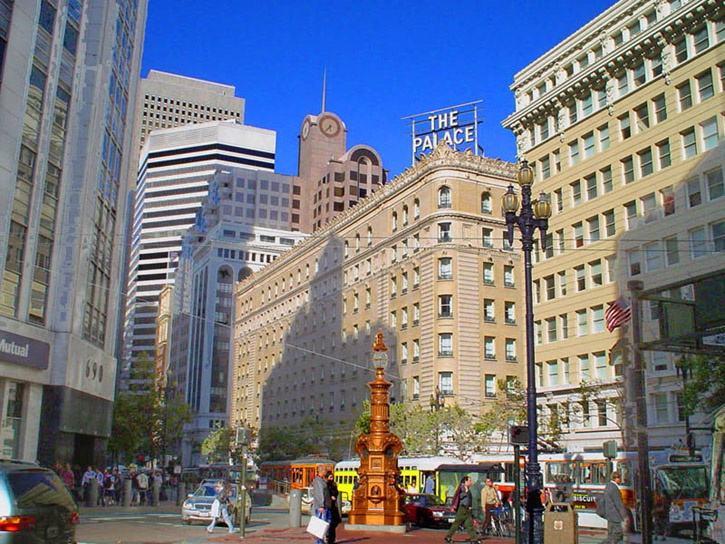
San Francisco's Palace Hotel: Gold Rush Grandeur and Resilience
In the vibrant tapestry of San Francisco's downtown, one architectural marvel stands as a testament to both opulent dreams and unwavering resilience: the Palace Hotel. More than just a luxury accommodation, this historic institution embodies the very spirit of the city, having witnessed the dramatic ebbs and flows of over a century and a half. From its audacious inception during the Gold Rush era to its dramatic rebirth after the 1906 earthquake and its sophisticated presence today, the Palace San Francisco offers a journey through time, blending Gilded Age extravagance with modern elegance.
A Vision of Unparalleled Grandeur: The First Palace San Francisco
The story of the Palace Hotel begins in the ambitious mind of William Chapman Ralston, a prominent banker and co-founder of the Bank of California. In the early 1870s, Ralston envisioned a hotel that would not only symbolize San Francisco's post-Gold Rush prosperity but also rival the grandest establishments of Eastern metropolises and Europe. He poured a significant portion of his wealth into this audacious project, acquiring a vast 2.5-acre site encompassing an entire city block bounded by Market, New Montgomery, Jessie, and Annie streets for approximately $400,000.
Opened on October 2, 1875, the original seven-story Palace Hotel was an architectural marvel of its time, designed by New York architect John P. Gaynor. It immediately claimed the title of the largest and most opulent hotel west of the Mississippi River. Boasting 550 rooms capable of accommodating up to 800 guests, it introduced groundbreaking innovations that were virtually unheard of in the American West. Guests marveled at the hydraulic elevators, cutting-edge gas lighting, and a magnificent rotunda court illuminated by a central skylight. This was not merely a place to stay; it was a destination, a social epicenter where the elite of the Gilded Age converged. Presidents like Ulysses S. Grant and Rutherford B. Hayes, along with European royalty, were among the distinguished guests who graced its halls, cementing the Palace San Francisco as a pinnacle of luxury and influence.
Rising from the Ashes: Resilience Amidst Catastrophe
The grandeur of the original Palace Hotel faced its ultimate test on April 18, 1906. When the devastating 7.9-magnitude San Francisco earthquake struck, the hotel's robust iron-frame construction, specifically designed by Ralston's team with earthquake resistance in mind, remarkably withstood the initial tremors. However, fate had a cruel twist in store. The ensuing fires, fed by broken gas lines and raging uncontrollably across the city, proved to be an insurmountable foe. Despite the building's inherent resilience, depleted water supplies meant firefighting efforts were futile, and the magnificent structure ultimately succumbed to the inferno, becoming a charred skeleton.
Yet, the spirit of the Palace San Francisco was not extinguished. A temporary "Baby Palace" quickly arose to serve the city's immediate needs, but the ambition for a grander revival was swift. In a remarkable display of civic determination, reconstruction began almost immediately. Designed by the renowned architectural firm Trowbridge & Livingston, the permanent rebuilding was completed in 1909 at an astronomical cost exceeding $10 million. This reborn iteration not only preserved the hotel's legacy but elevated it further, incorporating early 20th-century luxuries. The most iconic feature of the new design was undoubtedly the soaring Garden Court atrium, a breathtaking space adorned with shimmering crystal chandeliers, and the famed Pied Piper mural by Maxfield Parrish, which continues to captivate visitors today. This remarkable rebirth solidified the hotel's status as a symbol of San Francisco's indomitable spirit and a testament to its enduring commitment to elegance. Learn more about its iconic features in our related article: Palace Hotel San Francisco: Iconic Garden Court & Historic Opulence.
The Palace San Francisco Today: Luxury Meets Legacy
Today, the Palace Hotel continues its illustrious journey as a flagship property within Marriott International's Luxury Collection. Through ongoing renovations, the hotel masterfully blends historic preservation with the demands of modern luxury. Guests can enjoy updated guest rooms that respect the building's heritage while offering contemporary comforts, alongside amenities such as a state-of-the-art indoor pool. In 1969, the Palace San Francisco received well-deserved recognition for its architectural significance, being designated a San Francisco landmark, ensuring its place in the city's rich narrative for generations to come.
Visiting the Palace Hotel is an experience in itself, a chance to walk through halls steeped in history. The sheer scale and intricate details of the Garden Court remain a must-see, whether you're staying overnight or simply stopping for afternoon tea. While the architecture of the Garden Court remains breathtaking, contemporary reviews suggest exploring diverse dining options in the vibrant San Francisco culinary scene, especially for breakfast, to ensure value and satisfaction. For those planning a stay, it's always wise to confirm specific amenity availability and make reservations well in advance, particularly for popular dining experiences or spa treatments, to avoid disappointment. Consider exploring the wide array of cafes and eateries surrounding the Palace San Francisco for an authentic and potentially more budget-friendly breakfast experience. For a deeper dive into current guest experiences and how this historic luxury property navigates modern challenges, you might find our article Palace Hotel San Francisco: Marriott Luxury Meets Historic Challenges insightful.
When planning your visit, keep these tips in mind:
- Explore Beyond Your Room: Even if you're not staying in a suite, take time to wander the public spaces, especially the Garden Court and the hallways adorned with historical photographs.
- Afternoon Tea: A classic experience at the Palace, offering a taste of its enduring elegance in the stunning Garden Court. Reservations are highly recommended.
- Location Benefits: The hotel's prime downtown location makes it an excellent base for exploring Union Square, the Westfield San Francisco Centre, and various transportation hubs.
- Check for Specials: Luxury hotels often offer seasonal packages or exclusive deals; inquire directly with the hotel or check their official website for the best rates.
Conclusion: A Timeless Treasure in the Heart of San Francisco
The Palace Hotel stands as a vibrant, living monument to San Francisco's extraordinary past and its dynamic present. From the audacious vision of William Chapman Ralston to its miraculous resurrection after the 1906 earthquake, it has continually redefined luxury and resilience. As a cherished landmark operating under the esteemed Luxury Collection, the Palace San Francisco continues to offer an unparalleled experience, inviting guests to immerse themselves in a world where Gold Rush grandeur seamlessly blends with contemporary sophistication. It remains an enduring symbol of the city's ability to dream big, overcome adversity, and emerge more magnificent than ever before.